Industrial Valve Repair & Maintenance Services In Ramanayyapeta Industrial Area, Kakinada

Ajay Engineering Solutions supports industrial customers looking for dependable valve repair and maintenance services. A valve is a critical part of a process line: it regulates, isolates, diverts or protects the flow of liquid, gas, steam or other process media. When a valve leaks, sticks, fails to close, operates slowly or shows abnormal wear, the issue can affect safety, process stability, product quality and operating cost. This page explains how industrial customers in Ramanayyapeta Industrial Area, Kakinada can evaluate valve service requirements, plan maintenance and request support from Ajay Engineering Solutions.
For plants operating in Ramanayyapeta Industrial Area, Kakinada, the right maintenance response begins with clear information about the application and the problem. Ajay Engineering Solutions can review the requirement, discuss the valve and operating conditions, and help define a practical service scope. The exact repair method, service availability, testing scope and turnaround depend on the equipment, location, site conditions and confirmed agreement.
Why Valve Repair and Preventive Maintenance Matter
Valves are often small compared with the process equipment around them, but their failure can interrupt a complete production line. A planned programme for ramanayyapeta industrial area valve maintenance can help plant teams detect wear earlier, reduce avoidable emergency work and improve maintenance visibility. It also helps operators distinguish between an isolated defect and a recurring issue caused by process conditions, installation, operation or unsuitable component selection.
A practical maintenance programme should prioritise valve criticality, service conditions, failure history and the consequence of leakage or loss of control. High-risk applications should follow site engineering standards and the relevant safety procedures. Routine service should not replace a formal risk assessment, statutory inspection or manufacturer requirement where one applies.
Common Valve Problems and Symptoms
Internal leakage
A valve may pass fluid even when it is expected to isolate the line. Possible causes include seat damage, debris, wear, incorrect adjustment or unsuitable operating conditions.
External leakage
Leakage around the stem, bonnet, body joint or flange may indicate packing wear, gasket damage, loose connections, corrosion or mechanical damage. Safe isolation and the correct site response are essential.
High operating torque
A valve that is difficult to open or close may have deposits, corrosion, misalignment, damaged internals, excessive packing load or actuator problems.
Unstable control or slow response
For actuated and control valves, poor response may be related to the actuator, positioner, air supply, electrical signal, linkage or process conditions as well as the valve itself.
Corrosion, erosion or vibration
Process media, velocity, temperature, cavitation, flashing and external environment can affect valve life. The cause should be investigated to avoid repeating the same failure after repair.
Valve Types That May Require Repair and Servicing
Ball valves
Ball valves are widely used for isolation duties. Maintenance attention can include seat and seal wear, stem sealing, operating torque, corrosion, and whether the valve reaches its intended open or closed position. Repair suitability depends on the design, materials, service medium and extent of damage. For service requests in Ramanayyapeta Industrial Area, Kakinada, provide the available valve details and describe the fault so that the appropriate inspection and repair scope can be evaluated.
Gate valves
Gate valves are commonly selected for on/off isolation. Inspection may focus on stem movement, gate and seat condition, packing leakage, bonnet joints and signs of erosion or corrosion. A valve that is difficult to operate should be assessed for mechanical damage, deposits, misalignment or unsuitable operating conditions. For service requests in Ramanayyapeta Industrial Area, Kakinada, provide the available valve details and describe the fault so that the appropriate inspection and repair scope can be evaluated.
Globe valves
Globe valves may be used for throttling and flow regulation. Maintenance can involve checking the plug, seat, stem, packing, guide surfaces and actuator response. The repair approach should preserve the intended control characteristics and account for the service conditions. For service requests in Ramanayyapeta Industrial Area, Kakinada, provide the available valve details and describe the fault so that the appropriate inspection and repair scope can be evaluated.
Butterfly valves
Butterfly valves are used in many water, utility and process applications. Checks may include disc condition, liner or seat condition, shaft sealing, alignment and actuator operation. Elastomer compatibility and temperature limits are important considerations. For service requests in Ramanayyapeta Industrial Area, Kakinada, provide the available valve details and describe the fault so that the appropriate inspection and repair scope can be evaluated.
Check valves
Check valves help limit reverse flow. Maintenance reviews can include disc or flap movement, hinge or spring condition, seat sealing and debris accumulation. The valve must be evaluated in relation to the expected flow direction and installation position. For service requests in Ramanayyapeta Industrial Area, Kakinada, provide the available valve details and describe the fault so that the appropriate inspection and repair scope can be evaluated.
Control valves
Control valves are part of a wider control loop. Troubleshooting may need to consider valve trim, actuator, positioner, air supply, feedback signals and process behaviour together. A control-valve issue is not always caused by the valve body alone. For service requests in Ramanayyapeta Industrial Area, Kakinada, provide the available valve details and describe the fault so that the appropriate inspection and repair scope can be evaluated.
Safety and pressure-relief valves
Safety-related valves require careful handling and strict adherence to applicable site procedures, codes and authorized test requirements. Inspection, setting verification and certification must only be claimed where the relevant qualified process and documentation are actually provided. For service requests in Ramanayyapeta Industrial Area, Kakinada, provide the available valve details and describe the fault so that the appropriate inspection and repair scope can be evaluated.
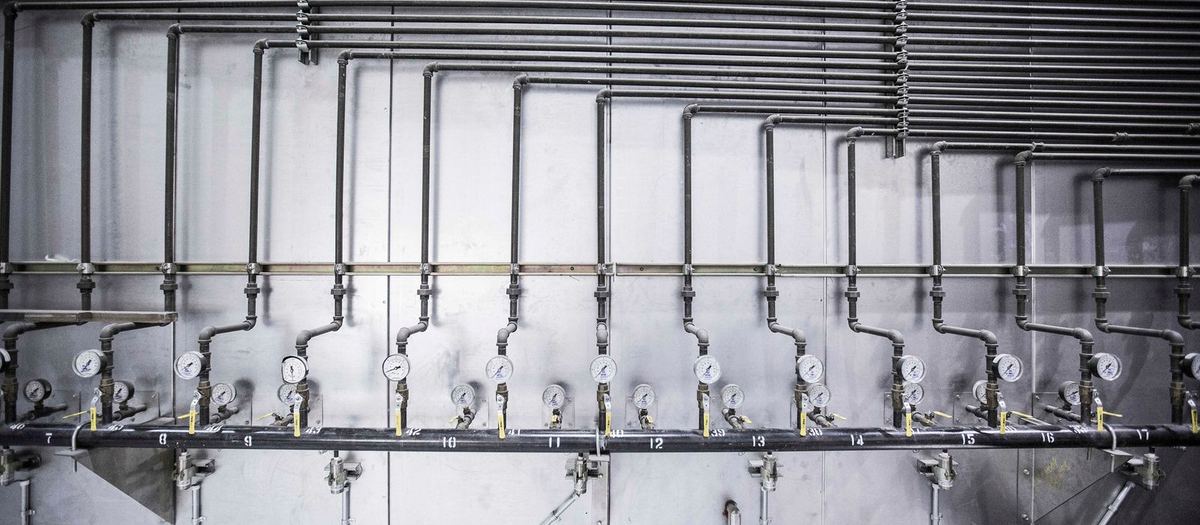
Our Valve Maintenance and Repair Workflow
Initial inspection and fault reporting
The first step is to understand the symptom, operating conditions and service history. Useful information includes valve type, size, pressure class, body and trim material, process medium, temperature, actuator arrangement, leakage location and the circumstances in which the issue appears. Visual inspection and a structured discussion with maintenance personnel help define the next steps. The scope should be confirmed before work begins, especially where isolation, hazardous media or plant permits are involved.
For enquiries related to in Ramanayyapeta Industrial Area, Kakinada, the service scope should record the equipment identification, reported symptoms, site requirements, expected schedule and acceptance criteria. This keeps the repair decision aligned with plant priorities and avoids assuming that every valve requires the same procedure.
Diagnosis before repair
A sound repair decision starts with identifying the likely failure mode rather than replacing parts without evidence. Common checks may include body and bonnet condition, stem movement, packing arrangement, seat and disc condition, flange faces, bolting, actuator linkages and position indication. Depending on the valve design, a workshop assessment may be more suitable than an on-site intervention. The inspection findings should guide whether adjustment, replacement of wear parts, refurbishment or a wider maintenance action is appropriate.
For enquiries related to in Ramanayyapeta Industrial Area, Kakinada, the service scope should record the equipment identification, reported symptoms, site requirements, expected schedule and acceptance criteria. This keeps the repair decision aligned with plant priorities and avoids assuming that every valve requires the same procedure.
Repair planning and spare-part review
Repair planning should consider the original design, manufacturer recommendations, material compatibility, process conditions and the consequences of failure. Components such as packing, gaskets, seals, seats, discs, stems, fasteners and actuator accessories must be reviewed for suitability before installation. Where replacement parts are required, dimensions, material grade and design compatibility should be checked rather than relying on appearance alone.
For enquiries related to in Ramanayyapeta Industrial Area, Kakinada, the service scope should record the equipment identification, reported symptoms, site requirements, expected schedule and acceptance criteria. This keeps the repair decision aligned with plant priorities and avoids assuming that every valve requires the same procedure.
Reassembly and functional verification
After repair or maintenance, the valve should be assembled using appropriate procedures and checked for smooth movement, correct orientation and proper fit. Testing requirements depend on valve type, pressure rating, applicable codes, customer specifications and site rules. A test should never be represented as a certified pressure test unless it has actually been performed under the relevant approved procedure and documented accordingly.
For enquiries related to in Ramanayyapeta Industrial Area, Kakinada, the service scope should record the equipment identification, reported symptoms, site requirements, expected schedule and acceptance criteria. This keeps the repair decision aligned with plant priorities and avoids assuming that every valve requires the same procedure.
Maintenance recommendations
A useful service outcome includes recommendations that help prevent recurrence. These may cover inspection frequency, operating practices, actuator checks, packing adjustment, corrosion monitoring, spare-parts planning, valve tagging and maintenance records. The final plan should reflect criticality: a valve protecting people or equipment may need a different maintenance approach from a non-critical utility valve.
For enquiries related to in Ramanayyapeta Industrial Area, Kakinada, the service scope should record the equipment identification, reported symptoms, site requirements, expected schedule and acceptance criteria. This keeps the repair decision aligned with plant priorities and avoids assuming that every valve requires the same procedure.
Industries and Applications
Industrial valve maintenance may be relevant to facilities in Ramanayyapeta Industrial Area, Kakinada across a wide range of sectors, including chemical and petrochemical processing, pharmaceutical and fine-chemical manufacturing, water and wastewater treatment, power generation and utilities, food and beverage processing, steel, cement and metal processing, oil and gas facilities, paper, pulp and packaging, textile and dyeing operations and general engineering and manufacturing. Each sector has different media, cleanliness requirements, temperature and pressure conditions, safety procedures and documentation expectations. The service plan should be matched to the actual application rather than applying a single generic repair method.
Valve Maintenance for Chemical And Petrochemical Processing
Facilities in chemical and petrochemical processing should monitor valve performance in relation to process reliability, product quality and safe operation. Maintenance teams can record operating symptoms, inspection findings, parts replaced and post-maintenance checks. For plants in Ramanayyapeta Industrial Area, Kakinada, these records help make future repair decisions more consistent and support spare-parts planning.
Valve Maintenance for Pharmaceutical And Fine-Chemical Manufacturing
Facilities in pharmaceutical and fine-chemical manufacturing should monitor valve performance in relation to process reliability, product quality and safe operation. Maintenance teams can record operating symptoms, inspection findings, parts replaced and post-maintenance checks. For plants in Ramanayyapeta Industrial Area, Kakinada, these records help make future repair decisions more consistent and support spare-parts planning.
Valve Maintenance for Water And Wastewater Treatment
Facilities in water and wastewater treatment should monitor valve performance in relation to process reliability, product quality and safe operation. Maintenance teams can record operating symptoms, inspection findings, parts replaced and post-maintenance checks. For plants in Ramanayyapeta Industrial Area, Kakinada, these records help make future repair decisions more consistent and support spare-parts planning.
Valve Maintenance for Power Generation And Utilities
Facilities in power generation and utilities should monitor valve performance in relation to process reliability, product quality and safe operation. Maintenance teams can record operating symptoms, inspection findings, parts replaced and post-maintenance checks. For plants in Ramanayyapeta Industrial Area, Kakinada, these records help make future repair decisions more consistent and support spare-parts planning.
Valve Maintenance for Food And Beverage Processing
Facilities in food and beverage processing should monitor valve performance in relation to process reliability, product quality and safe operation. Maintenance teams can record operating symptoms, inspection findings, parts replaced and post-maintenance checks. For plants in Ramanayyapeta Industrial Area, Kakinada, these records help make future repair decisions more consistent and support spare-parts planning.
Valve Maintenance for Steel, Cement And Metal Processing
Facilities in steel, cement and metal processing should monitor valve performance in relation to process reliability, product quality and safe operation. Maintenance teams can record operating symptoms, inspection findings, parts replaced and post-maintenance checks. For plants in Ramanayyapeta Industrial Area, Kakinada, these records help make future repair decisions more consistent and support spare-parts planning.
Valve Maintenance for Oil And Gas Facilities
Facilities in oil and gas facilities should monitor valve performance in relation to process reliability, product quality and safe operation. Maintenance teams can record operating symptoms, inspection findings, parts replaced and post-maintenance checks. For plants in Ramanayyapeta Industrial Area, Kakinada, these records help make future repair decisions more consistent and support spare-parts planning.
Valve Maintenance for Paper, Pulp And Packaging
Facilities in paper, pulp and packaging should monitor valve performance in relation to process reliability, product quality and safe operation. Maintenance teams can record operating symptoms, inspection findings, parts replaced and post-maintenance checks. For plants in Ramanayyapeta Industrial Area, Kakinada, these records help make future repair decisions more consistent and support spare-parts planning.
Valve Maintenance for Textile And Dyeing Operations
Facilities in textile and dyeing operations should monitor valve performance in relation to process reliability, product quality and safe operation. Maintenance teams can record operating symptoms, inspection findings, parts replaced and post-maintenance checks. For plants in Ramanayyapeta Industrial Area, Kakinada, these records help make future repair decisions more consistent and support spare-parts planning.
Valve Maintenance for General Engineering And Manufacturing
Facilities in general engineering and manufacturing should monitor valve performance in relation to process reliability, product quality and safe operation. Maintenance teams can record operating symptoms, inspection findings, parts replaced and post-maintenance checks. For plants in Ramanayyapeta Industrial Area, Kakinada, these records help make future repair decisions more consistent and support spare-parts planning.
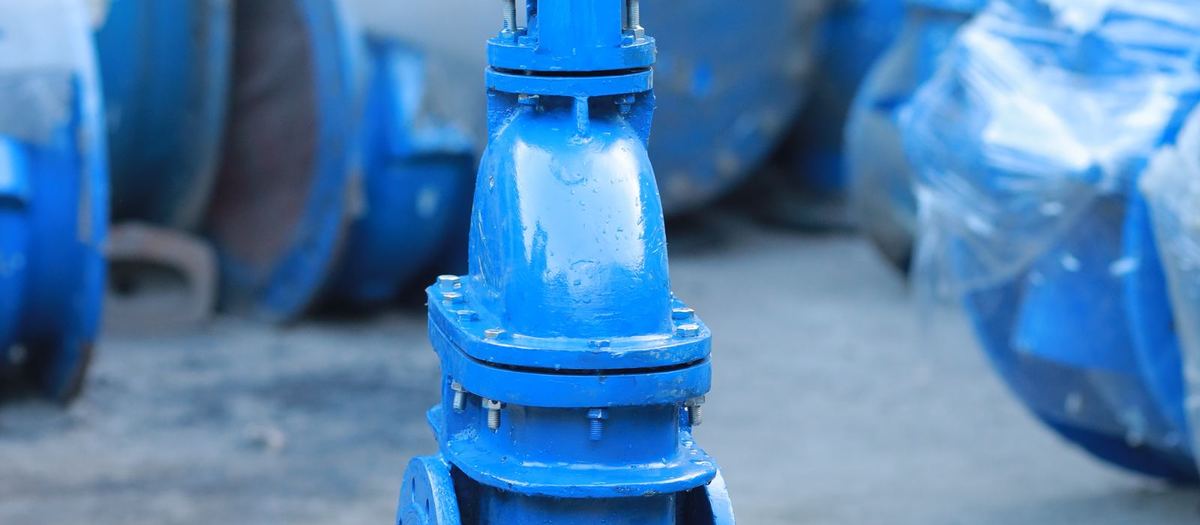
On-Site Service, Workshop Repair and Shutdown Planning
Whether a valve is best serviced on-site or removed for workshop assessment depends on access, line isolation, valve size, weight, contamination risk, the nature of the fault, available tools and testing needs. On-site work may be practical for selected inspection or adjustment tasks when site conditions permit. More extensive refurbishment may require controlled workshop facilities. The correct route should be agreed after reviewing the equipment and safety constraints.
For planned shutdown work in Ramanayyapeta Industrial Area, Kakinada, create a valve list in advance with tag number, size, type, rating, location, service medium, reported issue, criticality, spare-part status and required return-to-service date. Prioritise critical valves, confirm permits and isolation arrangements, and ensure any test or inspection requirements are clearly stated.
Preventive Maintenance Checklist
- Confirm valve tag, service duty, type, size and pressure class.
- Review leakage reports, operating torque, cycle history and prior repairs.
- Inspect accessible body, bonnet, stem, packing, joints, fasteners and actuator components.
- Check for corrosion, erosion, vibration, abnormal temperature and signs of external damage.
- Verify actuator air, electrical supply, linkage, position indication or control signals where applicable.
- Confirm that replacement parts are compatible with the valve design and process conditions.
- Define inspection and test acceptance criteria before work begins.
- Document findings, parts changed, checks completed and follow-up recommendations.
Factors That Influence Repair Scope and Cost
Repair cost and turnaround can depend on valve type and size, pressure rating, materials, extent of damage, accessibility, required replacement parts, workshop versus site work, transport, shutdown timing and inspection or test requirements. A reliable quotation should be based on equipment information and a defined scope. Avoid comparing quotations solely by headline price if the inspection, parts, testing, documentation or warranty conditions differ.
To request a service review in Ramanayyapeta Industrial Area, Kakinada, share clear photographs, the nameplate or tag information, the reported symptom, process medium, operating conditions and target schedule. Ajay Engineering Solutions can then assess what additional details are needed to discuss the next step.
Safety and Quality Considerations
Valve work must follow the plant's permit-to-work, lockout/tagout, isolation, depressurisation, draining, purging and contamination-control procedures as applicable. Never remove or dismantle a valve while it may contain pressure or hazardous process media. Safety-related valves and pressure equipment may be subject to specific codes, statutory requirements and authorised testing obligations. Any inspection, test, calibration, certification or compliance claim must reflect work actually completed and documented.
Location-Specific Planning Notes
Planning the Service Visit
Industrial buyers searching for valve repair services in Ramanayyapeta Industrial Area, Kakinada may include plant maintenance managers, reliability engineers, project teams, procurement departments and contractors. Their needs differ: maintenance teams may need a fast diagnosis, procurement may need a clearly itemised scope, and project teams may need documentation aligned with commissioning or shutdown schedules. The landing page should make it easy for each visitor to understand what information to share and how to request an assessment.
Records and Traceability
Before arranging work in Ramanayyapeta Industrial Area, Kakinada, confirm the site access rules, induction requirements, permitted working hours, lifting arrangements, available utilities, environmental controls and whether the valve can be safely isolated. These details can affect the choice between on-site intervention and removal for workshop repair. They should be established before a visit or delivery is scheduled.
Defining a Clear Repair Scope
Plants operating in Ramanayyapeta Industrial Area, Kakinada should maintain a central valve register where practical. Useful fields include tag number, equipment location, manufacturer, model, nominal size, pressure class, body and trim material, end connection, actuator details, process medium, criticality, last service date and next planned inspection. Accurate records help reduce ambiguity during an urgent enquiry and support consistent maintenance decisions.
Local Industrial Service Requirements
An effective repair scope in Ramanayyapeta Industrial Area, Kakinada should identify the original complaint, inspection steps, parts that may be replaced, testing or verification required, acceptance criteria and documentation to be provided. If inspection reveals additional damage, the change in scope should be reviewed with the customer before proceeding. This helps avoid misunderstandings and gives the plant a clear record of the work authorised.
Building a Useful Enquiry
Search visibility should be supported by genuine local relevance rather than simply inserting a place name repeatedly. Before publishing this page for in Ramanayyapeta Industrial Area, Kakinada, include verified service coverage, the industries actually served, relevant equipment examples, authentic project experience if available, and a clear enquiry path. Avoid invented customer names, fabricated case studies, unverified certifications or claims of guaranteed response times.
Frequently Asked Questions
What are common signs that a valve needs maintenance?
Can valve maintenance be planned during a shutdown?
Is every valve repairable?
What information should be shared when requesting a service enquiry?
Does a repaired valve always need testing?
Can a valve problem be caused by the actuator or control system?
More in Kakinada
Request Valve Repair and Maintenance Support in Ramanayyapeta Industrial Area
If your plant needs industrial valve inspection, repair planning, maintenance or shutdown support in Ramanayyapeta Industrial Area, Kakinada, contact Ajay Engineering Solutions with the valve tag, type, size, pressure rating, service medium, fault description, photographs and required schedule. The service team can review the information and discuss a suitable scope based on the actual application, site requirements and confirmed service capability.